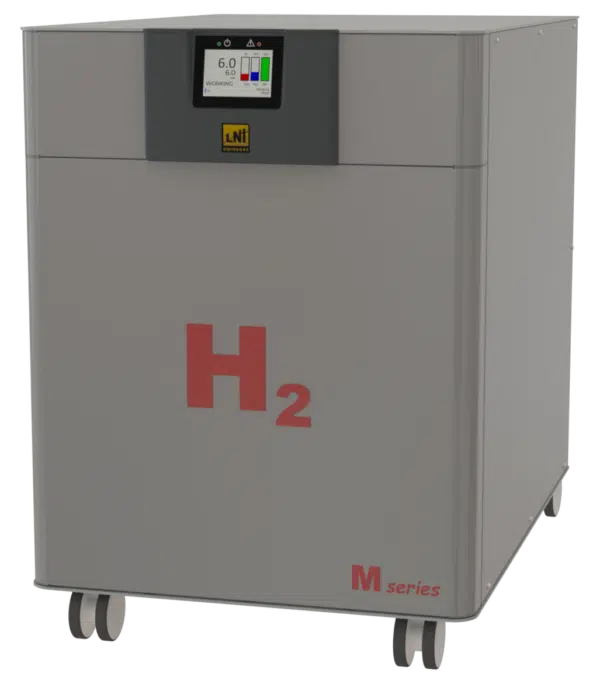
A mixed fleet is the hardest lab to size and the one with the most to gain. A few GCs, an LC-MS or two, and a growing list of detectors all draw on different gases at different purities. The good news is that the method is simple, and hydrogen is the gas to start with: the HG range includes multi-GC models that supply carrier and detector fuel from one unit. Here is the process, in order.
Step 1: Itemize by instrument, inlet and detector
In the gas itemization worksheet (or your own spreadsheet), give each GC two rows, front inlet and back inlet, and record every flow that instrument draws:
- Carrier gas, which for a split injector is the column flow plus the split vent flow plus the septum purge.
- Detector fuel and detector air, for each detector.
- Makeup gas.
Read the current flow setpoints from the instrument, not the maximums in the manual. Leave a channel blank if it is out of service. Enter a zero if it is off today but normally used, and add a note. A very high carrier flow is worth a question: it is either a packed column or a high split ratio, and the answer changes the total. For the LC-MS and other non-GC instruments, look up each one’s gas requirement from the manufacturer’s documentation and add it on a separate tab.
Step 2: Total by gas
Add up hydrogen, nitrogen and zero air separately. Keep nitrogen purity tiers apart as well: LC-MS-grade nitrogen and ultra-high-purity nitrogen for GC makeup are different supplies, and they should not be merged into one number. Argon and helium are cylinder gases, so list them for completeness but do not size a generator for them.
Step 3: Apply headroom
Add 20 to 25 percent to each gas total. That margin covers idle channels that return to service and planned instruments, and keeps the generator from running at its limit.
There is one exception. When you size from method data, using your own methods to calculate consumption with peak flows plus standby flows, a margin of 1.5 to 2 times is the practice. Use the larger factor only on that method-based path, not on a total taken from setpoints.
Step 4: Check the GC carrier rules
Flow gets you a size. Carrier gas rules decide whether that size is the right unit. These come first.
- GC-MS carrier is helium or hydrogen, never nitrogen. If someone on your team says a GC-MS needs nitrogen, they usually mean another instrument on the bench, or sample prep such as nitrogen blowdown, which is a separate question.
- Hydrogen carrier needs 7N purity and a dew point at or below −75 °C. That means the HG series ST PRO and PRO class. HG MINI and BASIC models are for detector fuel only, because moisture shortens capillary column life. For GC-MS on hydrogen carrier, we may spec a low-nitrogen (LN) variant.
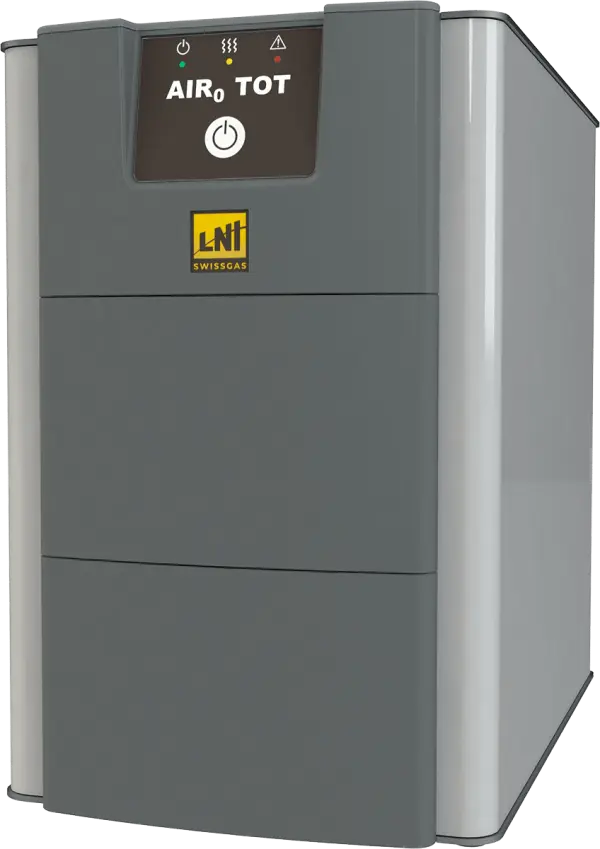
- GC-FID needs hydrogen plus zero air. Hydrogen is the fuel and zero air is the oxidant. That is two gases, from two generators or one combined unit. If hydrogen is also the carrier, the carrier rule above applies to that unit.
- Nitrogen as GC carrier needs 6N purity with hydrocarbons at or below 0.1 ppm, which means a methane scrubber. Membrane units never qualify for carrier use.
Hydrogen demand in a GC lab is usually measured in cubic centimeters per minute. The HG range runs from 100 cc/min up to 20 L/min, with rack and multi-instrument models for larger benches.
Step 5: Ask the compressed-air question
Before you choose any nitrogen or zero air generator, find out whether you have instrument-grade compressed air at the generator location. That means:
- Oil below 0.01 mg/m³ and particulates below 1 micron.
- Dew point at or below +3 °C.
- At least 6 bar.
- Flow at least 1.5 times the generator’s rated output.
If you have it, compressorless models typically cost less, take less space and have no compressor to maintain. If you do not, choose a model with an integrated compressor, or pair a compressorless model with an oil-free compressor. Shared shop air that is oily or wet counts as a no. Hydrogen skips this question entirely, because the HG family runs on deionized water. Our NG series and ZA series pages list both configurations.
Where LC-MS nitrogen fits
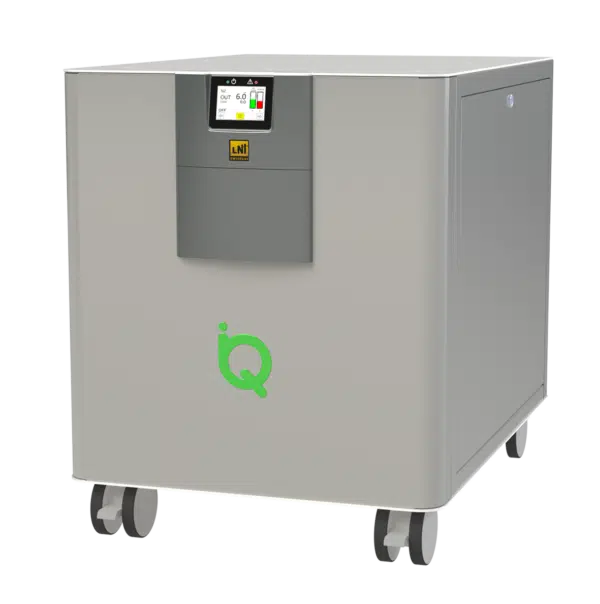
LC-MS nitrogen is a flow job more than a purity job. A typical instrument often needs 30 L/min or more (check your model’s documentation), so the question is usually which flow-rated unit, or how many manifolded together, covers the whole bench with headroom. Membrane units supply LC-MS-grade nitrogen, up to 99.9 percent, which is why they suit desolvation gas and never GC carrier.
What you keep, and what we do
We assess, size, spec, quote, commission, train and perform preventive maintenance. You keep your methods and revalidate them yourself, and your facility handles placement, plumbing and code approval.
Want this done with you? Our Lab Gas Readiness Assessment walks your fleet instrument by instrument and returns totals by gas and a specified quote.